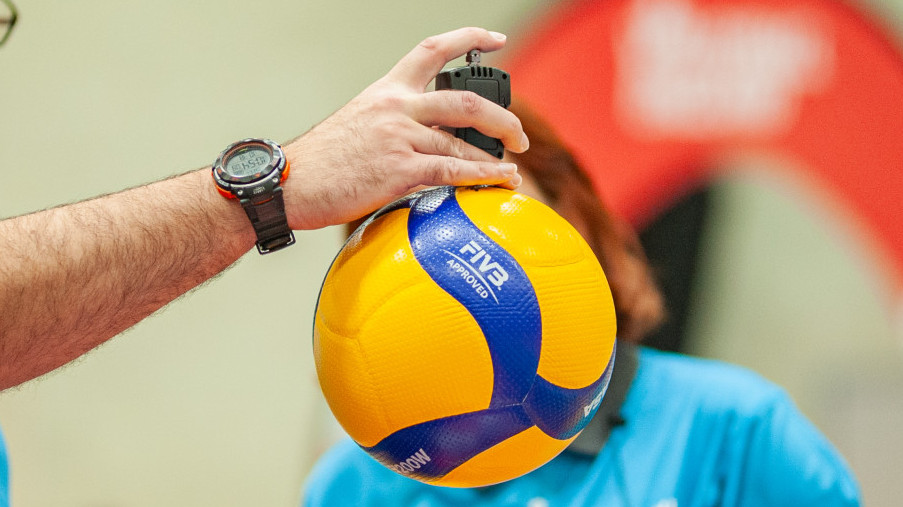

Referee Development and Progression Framework
The following standards provide a roadmap for referee development and progression. They describe the competencies expected at each grade across four key areas of officiating and show how knowledge, decision making, communication and match management skills develop over time.
Whether you are looking to maintain your current grade or progress to the next level, these standards will help you understand the expectations and areas for growth.
Refereeing Techniques and Mechanics
This area focuses on the practical skills needed to referee a match effectively. It covers things like whistle use, hand signals, positioning, movement around the court, working with other officials and following match procedures. These are the core skills that help referees manage the game confidently and consistently.
Knowledge, Interpretation, Application of the Rules
This area is about understanding the Rules of the Game and applying them consistently. It included recognising faults, making accurate decisions, dealing with unusual situations and using sound judgement throughout a match. Strong rule knowledge helps referees make decisions with confidence, evening in challenging situations.
Interaction with Teams
Referees play an important role in creating a positive match environment. This area focuses on how referees communicate and work with players, coaches and team staff. It includes managing benches and warm-up areas, responding to team requests, addressing misconduct when necessary and helping to prevent conflict before it escalates.
Match Management and Personality
Effective refereeing is about more than technical knowledge. This area covers the personal qualities that contribute to successful officiating, including professionalism, composure, communication, leadership and confidence. It also considers how referees manage pressure, maintain concentration and build credibility with teams throughout a match.
|
Technical Skills |
Cognitive Skills |
People Skills |
|
How you officiate |
How you think and make decisions |
How you work with others |
|
The practical skills used during a match, including positioning, movement, whistle use, hand signals and match procedures. |
The ability to understand and apply the rules, interpret situations accurately, recognise faults and make consistent decisions under pressure. |
The abulity to communicate effectively, work with fellow officials, manage interactions with players and coaches, and maintain a positive match environment. |
How to use the referee development and progression framework
The Referee Development and Progression Framework is designed to help referees understand what is expected at each grade and support their ongoing development. The Framework provides a clear picture of the knowledge, skills and behaviours that contribute to effective officiating.
Referees can use the Framework to:
- Understand the expectations of their current grade and identify what good performance looks like in practice.
- Assess their own performance by reflecting on matches against the competency standards.
- Identify strengths and development areas across technical cognitive and people skills.
- Prepare for Referee Reviews by understanding the areas against which they will be reviewed.
- Plan their development by focusing on the skills and behaviours needed to progress to the next grade.
The Framework is intended to be used as a development tool rather than simply an assessment checklist. Referees should use it regularly to reflect on their performances, seek feedback and set goals that will support their continuing growth and progression within the referee pathway.